Building Healthy Garden Soil: A Practical Guide
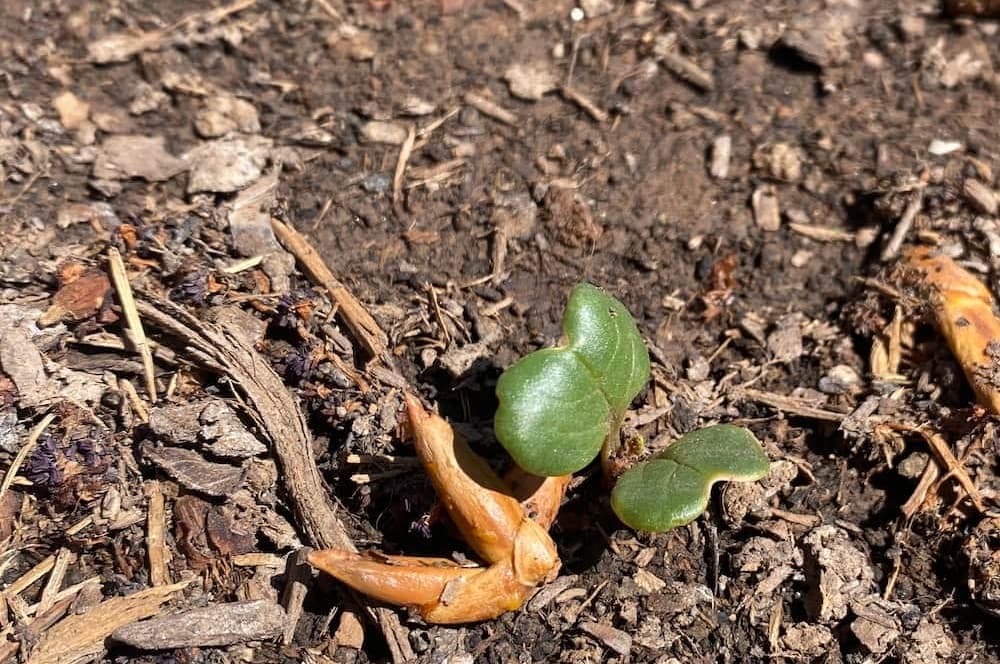
If your plants struggle despite adequate water and sun, check your soil first. Many growth problems trace back to soil structure, drainage, or nutrient availability.
The good news: soil problems are fixable. This guide will help you understand your soil type, improve it over time, and support the hidden biology that makes soil truly productive.
Know Your Soil Type
Soil structure is determined by particle size. You have three main types: clay, sand, and loam. Most soils are actually combinations — sandy loam, clay loam, silty clay — but understanding the three pure types helps you identify which direction your soil leans.
Clay Soil
Clay particles are microscopic. They pack tightly together, creating a heavy, dense soil.
How to identify it: Clay is sticky when wet and rock-hard when dry. Squeeze a handful of moist clay soil and it forms a ribbon that holds its shape.
The problems: Clay drains slowly, which can waterlog roots. It's difficult for roots to penetrate. It stays cold in spring, delaying planting. And it compacts easily under foot traffic.
The advantages: Clay holds nutrients extremely well. It retains moisture during dry periods. Once improved, clay can become incredibly productive soil.
Sandy Soil
Sand particles are large and rounded. They don't bind together, creating a loose, gritty texture.
How to identify it: Sandy soil feels gritty between your fingers. Squeeze a handful and it falls apart immediately, even when moist.
The problems: Sand drains too quickly. Water and nutrients wash through before plants can use them. You have to water constantly and fertilize more often.
The advantages: Sandy soil warms quickly in spring. It's easy to work. Roots penetrate effortlessly. It never compacts or waterlogs.
Loam (The Goal)
Loam is a balanced mix of sand, silt, and clay. It has excellent drainage and nutrient-holding capacity.
How to identify it: Loam is dark, crumbly, and slightly moist. Squeeze a handful and it holds together briefly, then breaks apart with light pressure. It smells earthy and rich.
Why it's ideal: Loam drains well but retains moisture. It holds nutrients without waterlogging roots. It's easy to work and supports diverse microbial life.
Quick DIY test: Grab a handful of moist soil from your garden. Squeeze it into a ball, then poke it with your finger. Clay holds firm. Sand falls apart. Loam crumbles with gentle pressure.
Amending Your Soil to Achieve Loam
Improving soil texture takes time and consistent effort. There's no instant fix, but the work compounds over seasons.
For Clay Soil
What to add: Compost. Lots of compost. Add 2-4 inches of finished compost every year and work it into the top 6-8 inches of soil.
A common misconception: You might have heard that adding sand improves clay drainage. Actually, sand mixed with clay creates a denser material — similar to how concrete is made by mixing sand with cement. What works better: organic matter like compost, which creates soil aggregation and improves structure naturally.
To get any drainage benefit from sand, you'd need to add about 50% sand by total volume. For most gardens, that means removing half your existing soil and replacing it with sand. It's prohibitively expensive and unnecessary when compost does the job better.
What actually improves clay: Organic matter. Compost, aged manure, leaf mold, and mulch all improve clay soil structure. They create aggregation — clumps of soil particles with air spaces between them. This improves drainage, aeration, and root penetration.
Be patient. Clay soil takes 2-3 years of consistent amendment to show real improvement. If you want faster results, build raised beds and fill them with quality soil mix.
For Sandy Soil
What to add: Compost, aged manure, and peat moss or coconut coir. These materials increase organic matter content, which helps sandy soil retain water and nutrients.
How much: Work in 3-4 inches of compost twice a year—once in spring before planting and again in fall after harvest.
Additional help: Mulch heavily. A 2-3 inch layer of wood chips, straw, or shredded leaves on top of your soil reduces evaporation and gradually breaks down into organic matter.
For Already-Good Loam
Maintenance: Add 1-2 inches of compost annually. This replenishes organic matter and feeds soil biology.
What to avoid: Don't over-till. Excessive tilling destroys soil structure, kills beneficial fungi, and brings weed seeds to the surface. Work the soil only when necessary—when adding amendments or preparing planting beds.
The Hidden Power of Soil Microbes
Soil isn't just minerals and organic matter. It's alive.
A single teaspoon of healthy soil contains billions of microorganisms: bacteria, fungi, protozoa, and beneficial nematodes. These organisms live primarily in the top 6 inches of soil, where oxygen and organic matter are most abundant.
Soil structure and soil biology are interconnected. The microbes we're about to discuss are actually the engineers that build and maintain healthy soil structure.
Why Microbes Matter
They cycle nutrients. Microbes break down organic matter — compost, dead plant roots, mulch — into forms plants can absorb. Without microbial activity, nutrients stay locked in unavailable forms. With it, your soil feeds your plants continuously.
They suppress diseases. Beneficial microbes outcompete harmful pathogens. A diverse microbial community acts like an immune system for your soil, preventing root diseases before they start.
They improve soil structure. Fungal networks bind soil particles together, creating stable aggregates. This improves drainage in clay soils and water retention in sandy soils. Better structure means healthier roots.
They extend root systems. Mycorrhizal fungi form symbiotic relationships with plant roots. The fungi extend root reach by up to 100 times, accessing water and nutrients the plant couldn't reach alone. In exchange, the plant provides the fungi with sugars from photosynthesis.
Research from Penn State Extension shows that diverse plantings can increase beneficial soil microbes by up to 40%.
How to Increase Microbial Activity
1. Plant diversity matters. Different plants feed different microbes. Mixing vegetables, herbs, and flowers in the same bed creates a more diverse microbial community. Rotate crops each season to prevent microbial populations from becoming imbalanced.
2. Add organic matter regularly. Compost and mulch are food for soil microbes. The more you add, the more microbial activity you support. Top-dress with compost twice a year and maintain a 2-3 inch mulch layer year-round.
3. Minimize soil disturbance. Tilling destroys fungal networks that take months to rebuild. Fungi are especially important for soil structure and nutrient exchange. No-till or minimal-till practices preserve these networks.
4. Avoid synthetic chemicals when possible. Harsh fertilizers and pesticides can harm beneficial microbes along with the pests you're targeting. If you need to fertilize, use organic options like compost tea, fish emulsion, or aged manure. If you need pest control, use targeted solutions rather than broad-spectrum chemicals.
5. Keep soil covered. Bare soil is vulnerable. UV radiation and temperature swings stress microbes. Keep your soil covered with mulch or living plants year-round to protect microbial populations.
The Payoff: Why Healthy Soil Makes Gardening Easier
Improving your soil isn't just about this season's harvest. It's about making future seasons easier.
You need less fertilizer. Healthy soil biology unlocks nutrients that are already present in your soil. Microbes break down organic matter into plant-available forms continuously. I fertilize far less now than in my first year of gardening because I've built up soil biology. The garden feeds itself.
Your plants have stronger immunity. Healthy roots grow in healthy soil. Plants with robust root systems resist disease better and withstand environmental stress; heat, drought, pests more effectively. You spend less time managing problems because problems occur less often.
Water management improves. Soil with good structure holds water when you need it and drains excess when you don't. You water less frequently. Plants don't suffer from waterlogging or drought stress. Everything becomes more forgiving.
Your garden becomes self-sustaining. Over time, a well-managed garden builds its own fertility. Crop residues decompose and feed the next planting. Microbial populations stabilize. The system takes less input from you and produces better results.
Start Where You Are
Soil health is a process, not a one-time fix. You don't need perfect soil to grow food. You need functional soil that improves over time.
Here's how to start:
- Identify your soil type this week. Do the squeeze test. Know what you're working with.
- Start composting. Even a small pile in the corner of your yard will give you amendment material for next season. Instead of raking up leaves and bagging them for the trash — add them to your beds so they can break down and form free compost. If you don't have space for composting, source quality compost from a local supplier.
- Add organic matter before your next planting. Work in 2-4 inches of compost. Mulch after planting.
- Track your progress. Each season, note what you added to your soil and how your plants responded. Over time, you'll see improvement.
Every season, your soil gets better. That's the long-term mindset that separates struggling gardeners from successful ones.
Want to track your soil amendments and results year over year? Giddy Carrot's tasks feature lets you record what you add, when you add it, and how your plants perform. Watch your soil improve season by season with data that actually means something.
Related Articles
No-Till Gardening: What It Actually Looks Like
No-till gardening is simpler than you think. Learn how to improve soil health, reduce weeds, and save time by minimizing soil disruption in your vegetable garden.
Companion Planting: What the Science Actually Says (And What You Can Stop Worrying About)
Most companion planting lists were never scientifically tested. Here's what research actually supports — and why one simple change made the biggest difference in my garden.
Why Your Vegetable Varieties Matter More Than You Think
Choosing the wrong tomato variety cost me two seasons of early disease. One onion mistake meant no bulbs — ever. Here's what I learned about matching varieties to your climate.